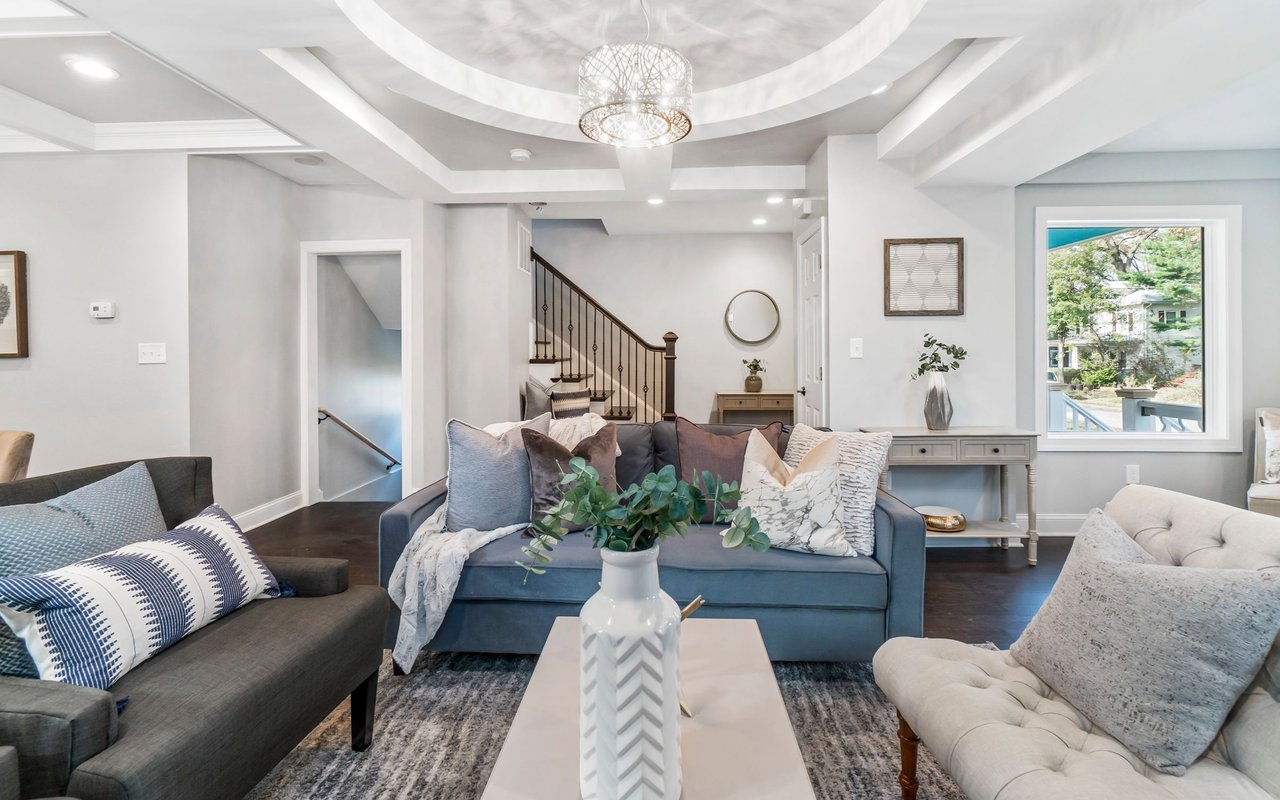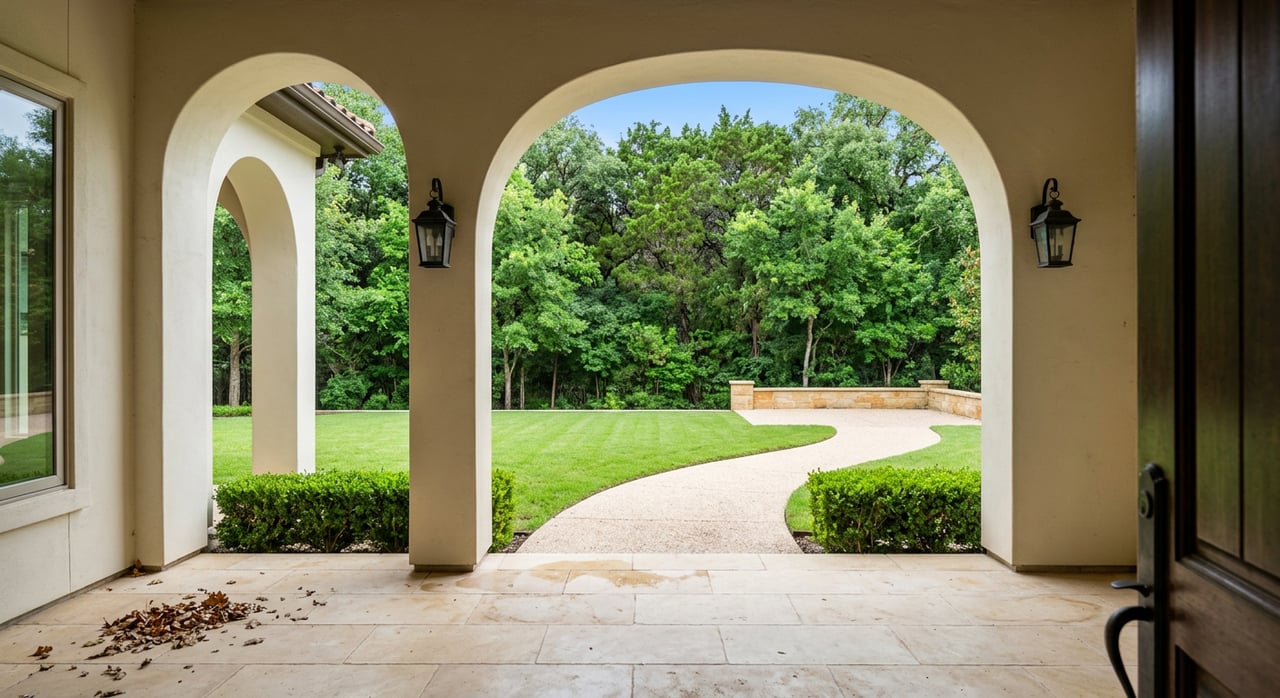
Thinking about a home along the fairways in Granite Bay? HOA life around Granite Bay Golf Club can offer privacy, amenities, and a polished neighborhood feel, but it also comes with rules, fees, and documents to understand. If you know what to look for, you can enjoy the perks and avoid surprises. In this guide, you’ll learn how local HOAs work, what dues typically cover, the legal disclosures you should expect, and the red flags to watch for. Let’s dive in.
What HOA life looks like here
Around Granite Bay Golf Club, several gated enclaves line Golf Club Drive, including The Residences at Granite Bay Golf Club and Wexford. These neighborhoods commonly offer gated entries, community pool and tennis or pickleball courts, clubhouse access, common-area landscaping, and private road maintenance. Some areas also have guard gates and golf-cart access points or tunnels that connect to the course. Local planning documents reference these community patterns near the club and along Golf Club Drive, which is helpful context when you compare neighborhoods and HOA offerings. Placer County’s planning materials are a useful starting point for neighborhood names and development context.
One key point: the private golf club and the homeowners association are separate. Club dues typically fund golf operations like the course, pro shop, and dining, while HOA dues fund neighborhood services. You should confirm whether a home’s sale requires or includes any club membership, but in most cases here, club membership is optional and billed separately from the HOA. You can review the club’s membership categories directly through Granite Bay Golf Club’s membership information.
How HOA dues work in Granite Bay golf communities
Monthly HOA dues vary based on the sub-association and the services included. In and around Granite Bay Golf Club, recent examples show a practical range of about 200 to 450 dollars per month, with some exceptions above or below that range depending on parcel size, amenities, and security features. Dues often scale with features like guard gates and robust landscape programs.
What your dues cover can include items like gate maintenance, private street upkeep, common-area landscaping, pool and court maintenance, and shared insurance for common elements. Golf club membership is usually a separate, optional cost. To verify the exact current dues and inclusions for a specific home, rely on the association’s resale or estoppel packet, which is part of the standard California HOA disclosure process under the Davis-Stirling Act. See the required document list outlined in Civil Code Section 4525.
What to review before you buy
Before you remove contingencies, read the key HOA documents closely. Most items below are included in the required resale packet under the Davis-Stirling Act.
- CC&Rs, bylaws, and operating or architectural rules. These define use rules, architectural approvals, parking and pet policies, rental limits, and whether exterior maintenance is HOA-controlled. See the baseline checklist in Civil Code Section 4525.
- Current annual budget and reserve funding summary. California requires associations to distribute an annual budget package and reserve funding disclosure. Review how dues are allocated between operating costs and reserves. See Civil Code Section 5300.
- Full reserve study or latest update. Ask for the percent funded and any large upcoming projects. Underfunded reserves can signal future dues increases or special assessments. The reserve study and periodic inspections are mandated under Civil Code Section 5550.
- Estoppel or status letter. This confirms the current monthly assessment, any special assessments, and whether there is any unpaid balance, fines, or liens tied to the property. Buyers rely on this to avoid inheriting unknown debts.
- Board meeting minutes for the past 12 months. Look for votes on dues increases, large project approvals, litigation, or rule changes that could affect your plans.
- Insurance summary. Understand the master policy and deductibles, then confirm how this interacts with your personal coverage.
- Any notices of violation or construction-defect disclosures. Unresolved violations can transfer responsibility to a buyer.
- Club-related documents or master vs sub-association details. Some homes sit in more than one association. Confirm what HOA dues cover and what any club or master association bills separately.
- Required inspections. Ask whether the HOA has completed any required inspections of elevated exterior elements and whether repairs are planned, per Civil Code Section 5551.
Key California rules that protect you
Required HOA disclosures
California’s Davis-Stirling Act requires sellers to provide a comprehensive HOA resale packet “as soon as practicable” before transfer. The law lists the governing documents, budgets and reserve summaries, assessment statements, certain litigation or notice materials, and board minutes on request. Start with the statutory checklist in Civil Code Section 4525.
Delivery timing and fees
When requested in writing, the association must provide the resale documents within 10 days. Associations can charge reasonable, itemized fees for preparing the packet, and they may deliver electronically if maintained that way. Plan your contingencies around the 10-day rule in Civil Code Section 4530.
Assessment increase limits
Boards are limited in how much they can increase assessments without member approval. Under Civil Code Section 5605, a board cannot raise regular assessments more than 20 percent over the prior fiscal year or impose special assessments that exceed 5 percent of the budgeted gross expenses for the year without a membership vote, except for certain emergencies. Knowing this rule helps you interpret assessment risk in the minutes and reserve study.
Collections, liens, and foreclosure risk
Unpaid assessments can become a debt of the owner and, after required notices, may result in a recorded notice of delinquent assessment and, in certain cases, nonjudicial foreclosure. If the estoppel shows unpaid sums, review the governing delinquency and lien procedures in the Davis-Stirling Act and clear any issues with the HOA, title, and your lender before closing.
Dispute resolution
For many enforcement matters, California encourages Internal Dispute Resolution and may require Alternative Dispute Resolution, such as mediation or arbitration, before filing in court. Ask whether the HOA frequently uses ADR or is involved in ongoing enforcement litigation. For more, see this overview of ADR requirements under the Davis-Stirling Act from FindHOALaw.
Timeline and steps: buyers and sellers
Seller checklist to avoid delays
- Order the full resale packet early. Associations have up to 10 days to respond to a written request, so start when you list or as soon as you open escrow. See Civil Code Section 4530.
- Provide documents you already have. Share prior statements, receipts for paid assessments, or developer warranties. This can help the manager avoid duplicate work and keep fees focused on what is needed.
- Cure or disclose outstanding violations. Unresolved violations are a statutory disclosure item under Civil Code Section 4525 and can affect buyer decisions.
- Coordinate estoppel timing with escrow and the lender. Many lenders need a recent estoppel before funding. Clarify who pays the resale fees in your contract.
Buyer checklist for clear decisions
- Read the CC&Rs and rules carefully. Note any restrictions that affect your plans for renting, pets, parking, EV charging, or exterior changes. Use the checklist in Civil Code Section 4525.
- Study the budget and reserve study. Ask for the percent funded and whether major projects are planned. If reserves are thin, ask the board about its funding plan under the standards in Civil Code Section 5550 and the annual disclosures in Section 5300.
- Clarify the golf club relationship. Confirm if club membership is required or optional for the specific property and request any club access agreements. See the club’s options at Granite Bay Golf Club’s membership page.
- Confirm required inspections. Ask whether the HOA has completed any inspections required by Civil Code Section 5551 and whether any repair plans exist.
- Check loan implications. If you need an FHA or VA loan for a condo project, confirm project approval. For single-family homes in HOAs, remember that lenders still count HOA dues in your monthly housing expense.
How dues affect your mortgage approval
Lenders include HOA dues and any recurring special assessments in your monthly housing expense when they calculate your debt-to-income ratio. Higher dues can reduce your maximum purchase price, even if the home’s price looks affordable on paper. If you are comparing two homes, ask your lender to run scenarios that include each home’s current HOA dues and any known assessments. For more on how monthly housing expense is calculated, review Fannie Mae’s guidance on including HOA dues in qualifying.
Lifestyle tips for golf club living
- Confirm whether your HOA has golf-cart access routes or tunnels and what the vehicle rules are for carts or low-speed vehicles.
- Ask how guest access works at gated entries and whether there are staffed guard gates or electronic systems.
- Check the clubhouse and recreation hours, reservation policies, and any guest limitations.
- If you plan to join the golf club, review the club’s membership categories, initiation fees, and access privileges separate from the HOA budget.
Common pitfalls and how to avoid them
- Underfunded reserves. A low percent funded can mean higher dues or special assessments later. Ask detailed questions about the reserve plan under Civil Code Section 5550.
- Pending or recent special assessments. Review the estoppel and minutes for any approved or proposed assessments, and consider the 20 percent and 5 percent limits in Civil Code Section 5605.
- Ongoing litigation. Board minutes and disclosures can signal legal issues that affect reserves, insurance, or future dues.
- Restrictive rules that do not match your plans. Confirm details on parking, pets, rentals, and exterior changes in the CC&Rs and operating rules.
Your next step
If you are weighing a move into or out of a Granite Bay Golf Club community, local clarity matters. Let a neighborhood-focused advisor help you read the reserve study, budget, and estoppel so you can make a confident decision and time your move well. For bespoke guidance, market data, and a free home valuation, connect with Stephen Golden today.
FAQs
What is included in HOA dues for Granite Bay Golf Club area homes?
- Dues commonly fund gated entry systems, common-area landscaping, private road maintenance, and amenities like pools and courts; golf club membership is usually separate and optional.
Are Granite Bay Golf Club HOA dues considered in my mortgage approval?
- Yes, lenders include HOA dues and recurring special assessments in your monthly housing expense for qualifying, which can affect your debt-to-income ratio.
Is club membership required when I buy near Granite Bay Golf Club?
- In most cases membership is optional and billed separately from HOA dues, but you should confirm any requirements or transfer options for the specific property.
What documents must a Granite Bay HOA seller provide to a buyer?
- California’s Davis-Stirling Act requires governing documents, budgets and reserve summaries, assessment statements, certain notices, and (on request) 12 months of board minutes.
How quickly must the HOA deliver the resale packet in California?
- After a written request, the association must provide the required documents within 10 days and may charge reasonable, itemized preparation fees.
How much can a Granite Bay HOA board raise assessments without a vote?
- Under California law, boards cannot raise regular assessments more than 20 percent over the prior year or levy special assessments over 5 percent of the annual gross expenses without member approval, except for defined emergencies.