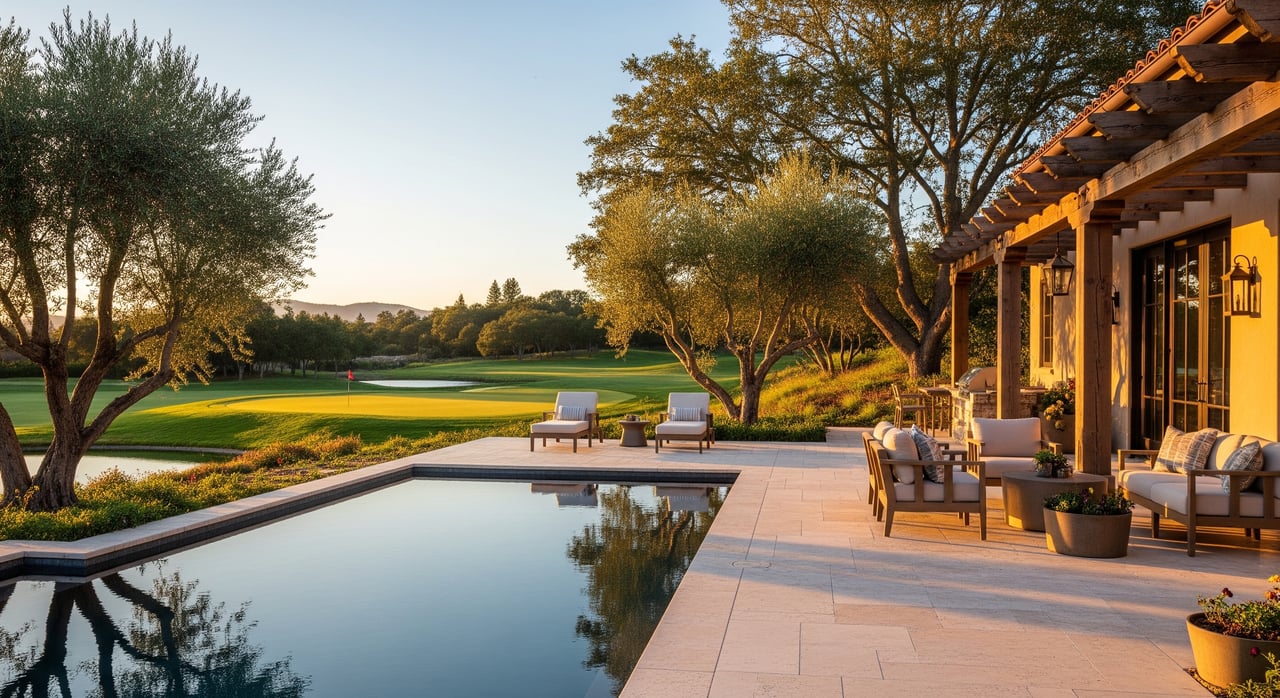
Picture yourself sipping coffee as the sun comes up over rolling fairways and mature oaks. You hear a few early carts in the distance and the quiet rhythm of course maintenance, then watch the light change across manicured greens. If you have been curious about what golf-course living actually feels like in Granite Bay, you are in the right place. This guide walks you through daily life around Granite Bay Golf Club so you can decide if this lifestyle fits your goals. Let’s dive in.
A day around the fairways
Mornings tend to be peaceful, with early tee times starting the day and birds moving through the oaks. You might walk the neighborhood before work, then head to nearby employment centers in Roseville, Folsom, or Sacramento. Evenings often shift toward casual social time, whether that is dinner at the clubhouse if you are a member or a quiet night on the patio with course views. Weekends bring more golf activity and occasional events that can add energy around the clubhouse.
Granite Bay, at a glance
Granite Bay sits in the western Sierra Nevada foothills, east of Sacramento and just north of the Folsom Lake and American River corridor. The landscape features rolling terrain, oak trees, and a park-like feel in many pockets. Many households are a mix of professionals, families, and retirees who value outdoor recreation and a calm suburban pace.
Neighborhoods near the course generally feel well kept and quiet. Streets closest to the fairways often include custom or semi-custom homes on larger lots with upper-tier finishes. Farther out you will find more typical suburban lots and a range of traditional California architectural styles.
Inside the club: what to expect
Most golf clubs in this category offer an 18-hole course, practice facilities, a pro shop, and clubhouse dining, with event spaces for private and community gatherings. Some clubs also provide tennis or pickleball, a pool, fitness areas, and instruction. Always confirm current amenities, guest policies, and whether public tee times are available directly with the club.
Membership structures at similar private or semi-private clubs often include tiers like full golf, social, junior, or corporate options. You can expect initiation fees and dues, plus possible dining minimums and guest guidelines. Day to day, members use the clubhouse for breakfast, lunch, or dinner, and you will notice course traffic primarily in the morning and late afternoon. Event evenings can be busier around the clubhouse, which adds a social buzz for members, while non-members enjoy the quiet course backdrop from home.
Clubs commonly host tournaments, charity events, holiday dinners, and themed nights. These become the rhythm of the social calendar for many residents who join. If you are exploring membership, ask about the most popular events, family programming, and any waitlists so you can plan ahead.
Homes on and near the course
You will see a mix of single-family homes, including some estate-style properties on larger lots. Homes that back directly to the course usually prioritize outdoor living, with patios designed to capture fairway views. It is common to find landscaping that blends mature oaks with manicured lawns and usable rear yards.
If you value privacy, pay attention to lot placement. Homes along open fairways may feel more exposed to passing golfers, while homes set behind trees or near tees and greens can feel different during peak play. Course maintenance typically happens early, which helps keep things tidy, though it can bring some morning noise.
Many course-area neighborhoods have homeowner associations. HOAs often govern exterior standards, landscaping, fencing, and sometimes rental policies. If you are buying, get clear on CC&Rs, fees, and any special assessments for maintenance. Rules can vary by subdivision, even when homes share similar course views, so due diligence is essential.
Nearby lifestyle and recreation
Granite Bay residents lean into outdoor recreation. You are close to Folsom Lake for boating, swimming, and fishing, and the surrounding corridors offer hiking and biking. Local parks and trails make daily walks, jogs, and dog outings easy to plan. If equestrian access is important, options are more common in the broader foothill areas, so verify facilities that match your needs.
For everyday errands, you will use nearby neighborhood shopping centers for groceries, cafes, and services. For broader retail and big-box options, residents often head to Roseville or Folsom. Dining ranges from casual restaurants and cafes to wine bars, and if you are a club member, the clubhouse can be a convenient choice for a relaxed evening.
Families will find schools served by local Placer County districts. Boundaries and programs can change, so confirm the current school assignments and options with the districts and the Placer County Office of Education. Youth sports, childcare, and recreational programs are available locally, and some clubs offer junior golf or family-friendly events.
Healthcare needs are supported by nearby clinics and urgent care options in surrounding towns, with major hospitals in Roseville and Sacramento. For routine appointments and daily needs, you will find services within a short drive.
Getting around and daily logistics
Many residents commute to Roseville, Folsom, or Sacramento for work. Regional traffic is influenced by State Route 65, Interstate 80, and local arterials, so peak-time drive times can vary. Public transit coverage is more limited compared with urban centers, which means most residents rely on cars. Park-and-ride and regional transit options are available in larger nearby cities if you prefer a hybrid commute.
Utilities and services typically align with Placer County providers and local water districts. Trash and recycling follow county service areas, and HOAs may have rules for bin placement. During drought cycles, local water agencies may implement irrigation limits that affect lawn care and pools, so it helps to plan landscaping with water-wise practices in mind.
Wildfire preparedness is part of foothill living. Expect defensible space guidelines and ongoing vegetation management requirements to reduce risk. These rules can evolve, so review current policies with local fire agencies and plan routine maintenance as part of your yearly home care budget.
Pros and possible trade-offs
Here is a quick, practical snapshot of daily life around the course.
Pros
- Scenic fairway and oak-tree views that feel park-like
- Immediate access to club culture if you choose to join
- Quiet streets with strong landscaping and maintenance
- Built-in social opportunities through club events and dining
Potential trade-offs
- Membership costs and any dining minimums if you join the club
- HOA fees and rules that guide exterior choices and rentals
- Event traffic and higher weekend activity near the clubhouse
- Privacy considerations for homes along open fairways
- Regional wildfire and drought policies that affect landscaping and insurance
Is this lifestyle a fit?
If you want a calm, outdoor-centered routine with a social hub close by, living near Granite Bay Golf Club can be a strong match. You get the benefits of golf-course scenery and a neighborhood that values recreation and community. If you prefer independent amenities without rules or fees, or you need public transit at your doorstep, it is worth weighing those factors before you shop.
A smart next step is to tour both course-front and nearby interior streets at different times of day. Pay attention to morning maintenance patterns, privacy from tee boxes and fairways, and traffic during event nights. If you are exploring membership, visit the clubhouse to get a feel for the dining and social calendar, and verify current tiers and policies with the club.
Ready to align your search with your lifestyle goals or get clarity on local HOAs, CC&Rs, and property features that command premiums? Reach out to Stephen Golden for neighborhood-specific guidance, a free home valuation, or a tailored tour plan around Granite Bay’s golf-community enclaves.
FAQs
Is Granite Bay Golf Club private or semi-private?
- Policies vary by club and can change, so confirm directly with the club whether tee times and amenities are members-only or available to limited guests.
Do homeowners automatically get club access if they live on the course?
- Not necessarily; membership is often separate from homeownership, so review the property details and ask the club about social or full-golf options.
Are homes on the fairway more expensive than nearby homes?
- Course-front homes commonly command a premium for views and lot placement, but verify current price differences with recent local sales data.
What are typical HOA and CC&R rules near the course?
- Many course-area neighborhoods have HOAs that guide exterior standards, landscaping, fencing, and rental policies; always review the specific subdivision’s documents.
How noisy is it to live beside the fairway?
- Expect morning activity from maintenance and early tee times, plus more golf traffic on weekends and event evenings near the clubhouse.
What should I know about wildfire and water use?
- Foothill communities follow defensible space rules and may see watering limits during droughts; confirm current guidelines with local fire and water agencies.
How do commutes usually look from Granite Bay to job centers?
- Many residents drive to Roseville, Folsom, or Sacramento, with peak-hour patterns influenced by SR‑65, I‑80, and local arterials; plan test drives at your typical times.