Wondering what really makes one Granite Bay Golf Club home a better fit than another? In this community, the answer usually goes beyond square footage and finishes. If you want a home that feels comfortable, private, and practical year-round, it helps to know how the lot, layout, and setting work together. Let’s dive in.
Why the setting matters
Granite Bay Golf Club sits in the Sierra Foothills east of Roseville, near Folsom Lake, in a setting defined by granite outcroppings, mature oaks, natural lakes, and heavily wooded areas. The club opened in 1994 and centers around an 18-hole championship course designed by Robert Trent Jones Jr. and Kyle Phillips, along with dining and social amenities.
Granite Bay itself is an unincorporated Placer County community with a rural-residential feel, limited commercial development, and a mix of suburban and larger-lot housing patterns. The area is known for warm summers, mild winters, and about 25 inches of annual precipitation, with much of that rain falling between November and April. Those local conditions shape what buyers should look for when comparing homes here.
Start with the lot, not the house
In Granite Bay Golf Club, lot value is often about how the site lives, not just how large it is. Recent county approvals show lots in the enclave commonly fall in roughly the one-third to one-half acre range, so small differences in placement and orientation can have a big effect on privacy, heat, and upkeep.
A home that looks ideal online can feel very different in person depending on where it sits relative to the fairway, trees, roads, and neighboring homes. Before you fall in love with the interior, step back and study how the property interacts with its surroundings.
Check lot orientation
Because Granite Bay has warm, dry summers, sun exposure matters. South- and west-facing yards can feel noticeably hotter in the afternoon, especially during summer.
That does not mean those lots are a bad choice. It simply means you should pay close attention to whether the home has shade, covered outdoor areas, or landscape features that make the yard more usable when temperatures rise.
Look at privacy from every angle
Privacy in a golf-club community can vary a lot from one lot to the next. Some homes may back toward open space or natural features, while others may face neighboring homes more directly.
When you tour a property, check sightlines from the kitchen, family room, patio, pool area, and primary suite. A nice view is valuable, but so is feeling comfortable in your main living spaces without feeling overly exposed.
Notice trees and wooded edges
The community’s mature oaks and wooded character are a big part of its appeal. Trees can add beauty, shade, and a more secluded feel.
At the same time, tree cover can also mean more leaf cleanup, pruning, and irrigation planning. If a home sits near open space or dense vegetation, ask yourself whether you are comfortable with the maintenance that comes with that setting.
Understand course adjacency
Not every golf-course lot offers the same experience. Distance from fairways, cart paths, and maintenance routes can change how quiet, private, and relaxed a property feels.
A home that is technically on or near the course may still have very different day-to-day livability than another nearby property. That is why location within the enclave matters just as much as the address itself.
Fairway views versus privacy
Some buyers want open golf-course views. Others prefer more screening from trees, open-space buffers, or lot placement.
The right choice depends on your priorities. In this setting, it is smart to ask whether the lot trades view for privacy, or privacy for view, and whether that tradeoff fits how you actually plan to use the home.
Cart traffic and activity levels
If the backyard is close to cart traffic or maintenance routes, you may notice more movement than expected. That can affect the feel of outdoor living areas, especially if you plan to spend a lot of time on a patio, near a pool, or entertaining outside.
Walk the yard and pause for a few minutes. Look beyond the landscaping and ask how active the edges of the property may be during normal club operations.
Pay attention to future surroundings
Granite Bay Golf Club is still evolving. Placer County approvals in 2025 and 2026 indicate that parts of the residential enclave are continuing to be built and refined in phases.
That makes it especially important to understand what surrounds a home today and what may surround it later. A current sense of openness does not always guarantee the same long-term privacy or view protection.
Ask about nearby construction
Before writing an offer, find out whether the home is near current construction, future infill, or planned open-space areas. This can affect noise, traffic patterns, and your long-term enjoyment of the property.
Even a strong house can lose some appeal if nearby development changes the setting more than you expected. Clear answers upfront can help you make a more confident decision.
Make sure the floor plan fits the setting
In a community with HOA oversight and architectural consistency requirements, the best homes usually do more than look attractive from the street. They also use the lot well from the inside out.
A strong floor plan in Granite Bay Golf Club should support daily living while making the most of the property’s natural features. That means balancing openness, comfort, privacy, and light.
Prioritize indoor-outdoor flow
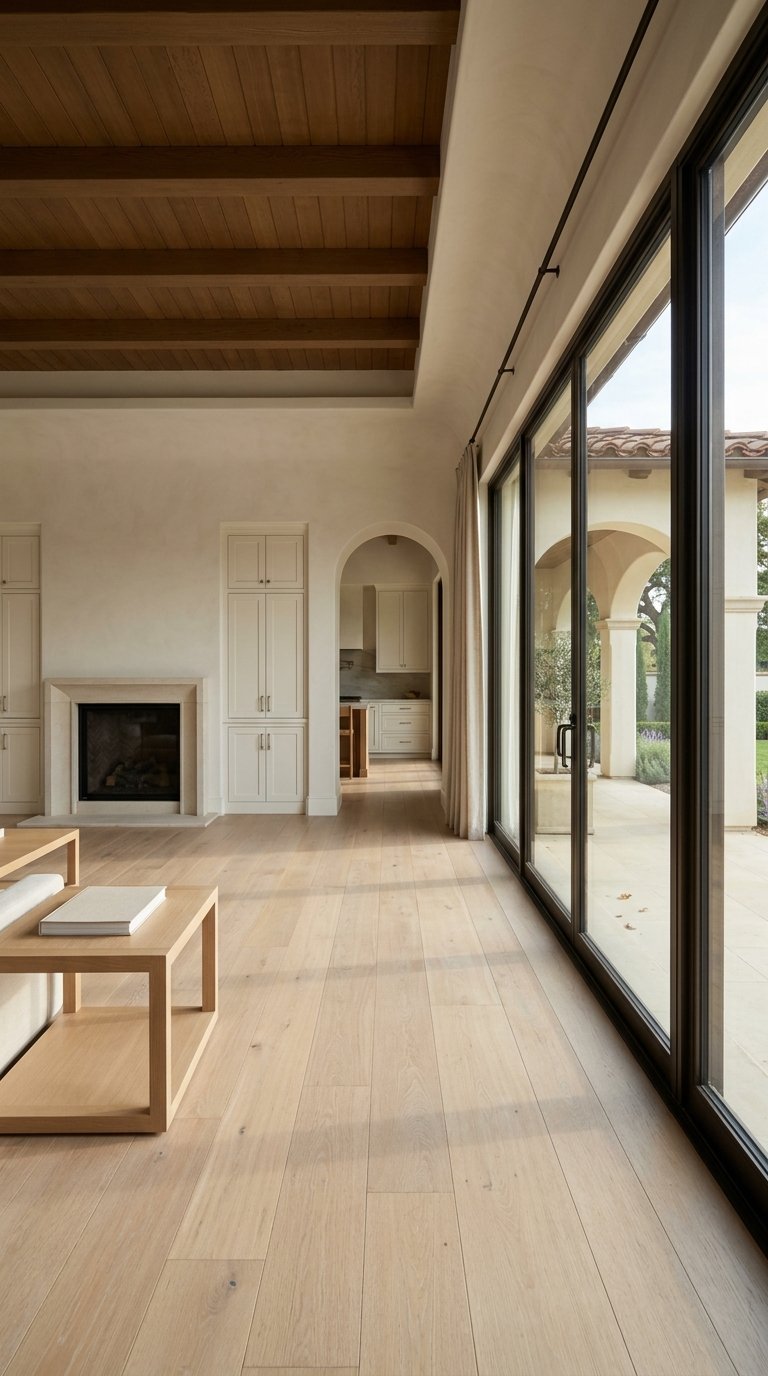
One of the first things to check is how well the kitchen, family room, and backyard connect. In a setting like this, seamless flow can make a big difference in how often you use outdoor living areas.
If the yard is one of the home’s best features, the floor plan should help you enjoy it. Doors, windows, and room placement should make the outdoor space feel like an extension of the home.
Protect quiet spaces
Open layouts remain popular, but they should not come at the expense of privacy. Bedrooms, guest space, and a home office should feel separated enough from main gathering areas to support everyday comfort.
That matters even more if you work from home, host visitors, or want a calmer retreat from busier living spaces. A thoughtful layout should support both entertaining and quiet time.
Watch for glare and exposure
Views are important, but so is livability. A floor plan that opens heavily toward the sun or toward direct sightlines from the course or nearby lots may look appealing at first, but feel less comfortable over time.
Pay attention to how natural light enters the home during your showing. Bright interiors are great, but the best homes balance light with shade, comfort, and privacy.
Review maintenance with a local lens
A beautiful home in Granite Bay Golf Club should also be practical to own. In this part of Placer County, that means looking closely at exterior condition, vegetation management, and how the property handles seasonal weather.
This is where careful buyer due diligence can pay off. Details that seem small during a showing can become important after closing.
Check roof, drainage, and irrigation
Start with the basics. Roof age and material, exterior wear, drainage patterns, and irrigation setup all deserve a close look.
Because much of the area’s rainfall comes between November and April, drainage matters. During warmer months, irrigation and landscape planning matter just as much, especially on larger or more heavily planted lots.
Understand wildfire readiness
Placer County requires 100 feet of defensible space around structures and states that defensible space, along with home hardening, is essential to improving a home’s chance of surviving wildfire. Unincorporated Granite Bay properties may also fall within fire hazard severity zones, where newer construction and some remodels or additions must meet applicable wildfire-resistance requirements.
For you as a buyer, that means checking whether the property’s vegetation, tree placement, and exterior condition appear aligned with defensible-space expectations. If the lot borders open space or mature vegetation, this becomes even more important.
Compare HOA rules and landscape obligations
Homes in the enclave are subject to the existing HOA, CC&Rs, and architectural guidelines, and county materials indicate new homes are expected to be consistent in size and architecture with nearby homes. That means exterior changes or landscape updates may require approval.
Before you move forward, confirm how HOA requirements interact with the property’s landscaping, maintenance needs, and defensible-space obligations. You want a clear picture of both the home’s appearance standards and your practical responsibilities as an owner.
Verify club membership separately
If club access is part of your decision, do not assume it transfers with the home. Granite Bay Golf Club lists full golf, limited golf, and social memberships, with different levels of access.
According to the club, full golf membership includes the course, practice areas, and clubhouse, while social membership focuses on dining and social use. If amenities matter to your lifestyle, verify current membership options directly before you write an offer.
A smart buyer checklist
When you compare homes in Granite Bay Golf Club, keep your focus on the factors that affect everyday living the most:
- How close is the backyard to cart traffic, maintenance routes, or possible future infill?
- How much afternoon sun does the yard get?
- Is there enough shade for comfortable summer use?
- Does the lot offer the right balance of view and privacy?
- How much tree maintenance and landscape upkeep will the site require?
- Does the floor plan connect well to outdoor living areas?
- Are bedrooms, guest space, or office areas positioned for privacy?
- Does the property appear well prepared for defensible-space requirements?
- What architectural or landscaping approvals may be required under the HOA?
- If club access matters, what membership options are currently available?
The bottom line for Granite Bay Golf Club buyers
The right Granite Bay Golf Club home is usually the one that matches your daily lifestyle, not just your wish list. A well-chosen property should balance privacy, sunlight, views, maintenance, and floor plan flow in a way that feels right for how you live.
If you want help comparing lots, spotting site-related tradeoffs, or evaluating the practical side of a home beyond the photos, working with a local expert can make the process much clearer. For tailored guidance on Granite Bay Golf Club and surrounding neighborhoods, connect with Stephen Golden.
FAQs
What should you look for in a Granite Bay Golf Club lot?
- Focus on orientation, privacy, tree cover, distance from fairways or cart paths, and whether the lot backs to open space or another home.
Why does backyard sun exposure matter in Granite Bay?
- Granite Bay has warm, dry summers, so south- and west-facing yards can feel hotter in the afternoon and may need shade or covered outdoor areas for better comfort.
How important is privacy in a Granite Bay Golf Club home?
- Privacy can vary significantly from lot to lot, so it is worth checking sightlines from main rooms and outdoor spaces before making an offer.
What should you review about wildfire readiness in unincorporated Granite Bay?
- Review defensible space, tree and vegetation management, exterior condition, and whether the property may be subject to applicable wildfire-resistance requirements.
Does a Granite Bay Golf Club home include club membership?
- Not necessarily. If club access matters to you, verify current membership options separately from the home purchase.
What HOA issues should buyers check in Granite Bay Golf Club?
- Buyers should review HOA rules, CC&Rs, and architectural guidelines, especially for landscaping, exterior changes, and how those standards align with defensible-space needs.